
Every year on 10 October, World Mental Health Day invites us to reflect on how we care for ourselves and one another. Mental health is something we all have, and just like physical health, it needs nurturing. While professional support is vital for those who need it, there are also everyday actions that can make a real difference to our wellbeing. One of the simplest yet most powerful ways to connect with nature is by growing food, and in Sheffield, that often means cultivating it.
Sheffield is one of the greenest cities in the country, with a rich patchwork of parks, woodlands, allotments and community gardens. These spaces are more than just pretty backdrops. They are places where people can move their bodies, breathe fresh air, meet others, and experience the slow, steady rhythm of the seasons. They are spaces where food grows, and where wellbeing grows too.
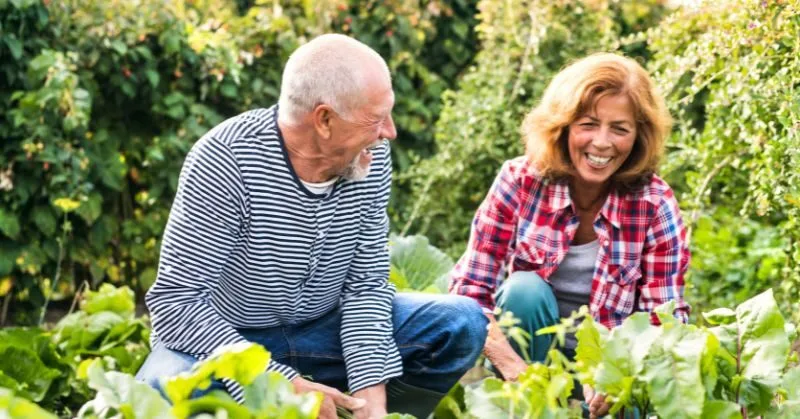
The benefits of growing food for mental health are increasingly recognised. On an individual level, the act of sowing a seed and watching it flourish can be a grounding and restful experience. Digging soil, planting seedlings, or gently watering a bed are all activities that help us step away from screens, slow down, and focus on the present moment. Many people find that time spent in the garden has a calming effect, lowering stress levels and lifting mood.
There is also the physical side. Growing food can be a surprisingly effective workout, with tasks like bending, digging, and carrying all contributing to gentle exercise. Regular activity in the garden helps to keep the body moving, but unlike the gym, it doesn’t feel like a chore. Instead, it comes with the added reward of watching something grow and, eventually, being able to taste the fruits, or vegetables, of your labour. That sense of achievement, of seeing a plant thrive under your care, can do wonders for confidence and self-esteem.
Equally important are the social benefits. Working the soil side by side with others offers a natural way to connect, to chat without pressure, and to form friendships. Many people who join community gardens in Sheffield speak about how it reduces isolation and creates a sense of belonging. Food is, after all, a great leveller. Sharing surplus produce, swapping recipes, or even just admiring a neighbour’s pumpkin harvest can spark connections that grow into real friendships.
Across Sheffield, countless community projects are bringing this vision to life. Bloom Sheffield, for example, is a women’s community flower garden where participants can garden, share stories and support each other in a safe, welcoming environment. Regather’s Club Garden has become a hub for local growing, combining food production with education and community activities. The Green Estate Community Allotment in Manor provides space for people to learn about sustainable gardening, improve well-being, and get involved in shaping their neighbourhood. In the council-led and privately owned allotments throughout the city, various groups come together to cultivate shared plots, building not just gardens but resilient communities.
Each of these projects reflects a simple truth: that growing food is about more than what ends up on your plate. It is about people coming together, forming bonds, and experiencing the joy of nurturing life from the ground up. These gardens are places of hope, where the harvest is measured not only in kilos of carrots, but also in smiles, conversations and friendships.
As autumn settles in and the growing season winds down, it is easy to think that the opportunity has passed. But in fact, this is the perfect time to start looking ahead. Over the colder months, many community gardens still welcome volunteers for tidying, planning and learning sessions. It is also a season to pause and reflect, to wander through your local park, notice the changing colours, and think about whether you might want to join a growing project in the new year. Planting plans are drawn up in winter, so by spring, you could be part of a team ready to bring them to life.
At ShefFood, we recognise the value of these spaces, and we’re excited to launch our new Community Growing Spaces Map. This resource showcases the many gardens, allotments and green projects across the city. Whether you’re a seasoned gardener or someone who has never picked up a trowel, the map will make it easier to find a project that suits you. We’ll be sharing more about this later in the month, so watch this space.
World Mental Health Day is a reminder that wellbeing is not just about treatment when things get tough, it is also about prevention, connection and everyday practices that sustain us. Growing food offers all of that. It gives us exercise without pressure, calm without isolation, and friendships without judgment. In a city as green as Sheffield, these opportunities are all around us.
Consider how you might get more involved in the growing community in the months to come. Whether it is joining a local allotment group, volunteering in a community garden, or simply growing herbs on your windowsill, the act of nurturing life can, in turn, nurture your own.