Every year on October 1, World Vegetarian Day invites people everywhere to reflect on the food we eat, how it is produced, and the communities it supports. For some, vegetarianism is a conscious lifestyle choice rooted in health, animal welfare or sustainability. For others, it is an essential part of cultural, ethical or religious practice. What is often overlooked, however, is just how broad and inclusive vegetarianism can be. Far from being a rigid diet, it has the power to bring people together across backgrounds, beliefs and dietary needs.
In Sheffield, food is deeply tied to community. Our city is home to people from across the globe, and this diversity is reflected in the kitchens, canteens and community spaces that serve meals every week. When we think about vegetarianism here, we are not talking about one single set of recipes or rules, but rather a wide and varied food culture that embraces inclusivity and creativity.
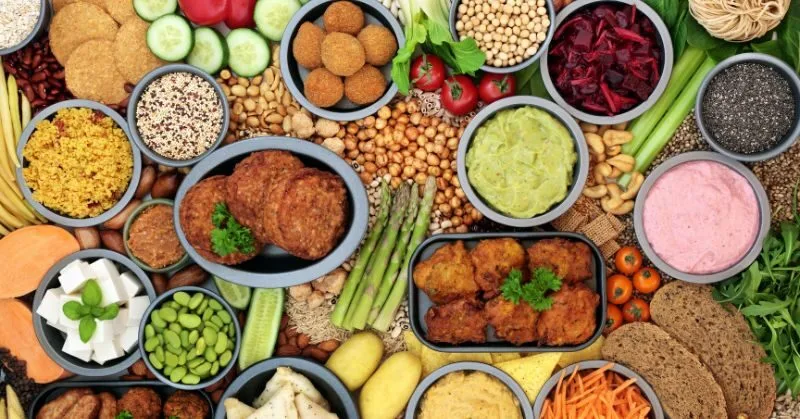
For people living with allergies and intolerances, vegetarian cooking can offer flexibility and accessibility. Plant-based meals can often be adapted more easily to suit those avoiding dairy, eggs, gluten or nuts, while still being hearty, nutritious and satisfying. Community cooks across Sheffield have been finding inventive ways to make sure no one is excluded from the table, whether through swapping ingredients, clearly labelling allergens, or building menus that are naturally suitable for a wide range of diets.
For others, cultural identity and tradition play a central role in what is eaten and shared. Many cuisines from around the world place vegetables, grains, legumes and spices at the heart of their cooking. Think of the richly spiced lentil dals of South Asia, the fragrant tagines of North Africa, or the bean stews of the Caribbean. Vegetarianism, in these contexts, is not a modern trend but an age-old practice, deeply tied to heritage. Sheffield’s multicultural communities bring this vibrancy to our city’s food landscape, ensuring that vegetarian food is not only accessible but also culturally rooted and meaningful.
Religious inclusion is another important dimension. For many faiths, food is more than just sustenance; it is an integral part of spiritual life. For Buddhists, Hindus, Jains, Sikhs and some Christian communities, vegetarianism is woven into long-standing traditions. For Muslims and Jews, specific dietary laws influence what can and cannot be eaten, and vegetarian options often provide a safe, respectful and inclusive way to share meals across different faiths. By centring vegetarian food in communal settings, we create spaces where people of varied religious backgrounds can eat together with ease.
This inclusivity is visible in Sheffield’s many social eating projects, which have grown steadily over the past decade. Today, there are more than 60 spaces listed on ShefFood’s Sheffield Community Food Provision Map. Each one provides more than just a plate of food; they offer companionship, cultural exchange, and a sense of belonging. They are places where barriers fall away, where conversation flows as freely as the tea, and where a simple shared meal can become a powerful act of connection.
Ammi’s Kitchen is another beautiful example. Their community lunch is open to everyone and offers a hot vegan meal with a focus on Punjabi, Iranian, Iraqi, Sri Lankan and Nepalese cuisine. This project demonstrates how plant-based cooking can celebrate global flavours while being accessible and nourishing. It highlights the way food can be both deeply cultural and joyfully communal.
The Open Kitchen Social Club, founded in 2014, is a key social eating project in Sheffield city centre. It offers peer support, a safe space, and a welcoming environment for refugees, asylum seekers, migrants, and those facing food or social hardship. Vegetarian meals foster solidarity, break isolation, and strengthen social bonds.
These are just two examples among dozens. Across Sheffield, social eating spaces are ensuring that everyone, regardless of their income, background or beliefs, can access nourishing food in good company. They show how vegetarian cooking can be more than a personal choice; it can be a bridge across differences, a tool for inclusion, and a way to nurture community resilience.
Food Works offers its Just Meals range of frozen ready meals, made from surplus and local ingredients, as a sustainable, vegetarian, vegan, low allergen, and general option. Available on a Pay What You Can basis at Food Works cafés, Handsworth warehouse, and partner outlets, Just Meals make it easy to enjoy nourishing, planet-friendly food at home while supporting Sheffield’s food community.
World Vegetarian Day celebrates vegetarians and raises awareness of the benefits of a plant-based diet, emphasising the importance of these meals for a healthier, more sustainable, and inclusive food system. It recognises vegetarianism as a universal practice space for all cultures, religions, and communities.
As Sheffield continues to embrace its role as a city of sanctuary and solidarity, food will remain at the heart of that story. Shared meals have the power to remind us of our common humanity, to comfort in difficult times, and to celebrate the rich diversity of our communities.
So this October, and in the weeks that follow, we invite you to explore the social eating spaces across the city. With more than 60 listed on the ShefFood Community Food Provision page, there is a meal, a conversation and a welcome waiting for you. By taking part, you are not only nourishing yourself, but also strengthening the bonds that make Sheffield a more inclusive, caring and connected city. Visit https://sheffood.org.uk/food-ladders-food-provision/ to learn more.